
Salt, Fire & Faith: The Mayan Roots of Isla Mujeres Cuisine
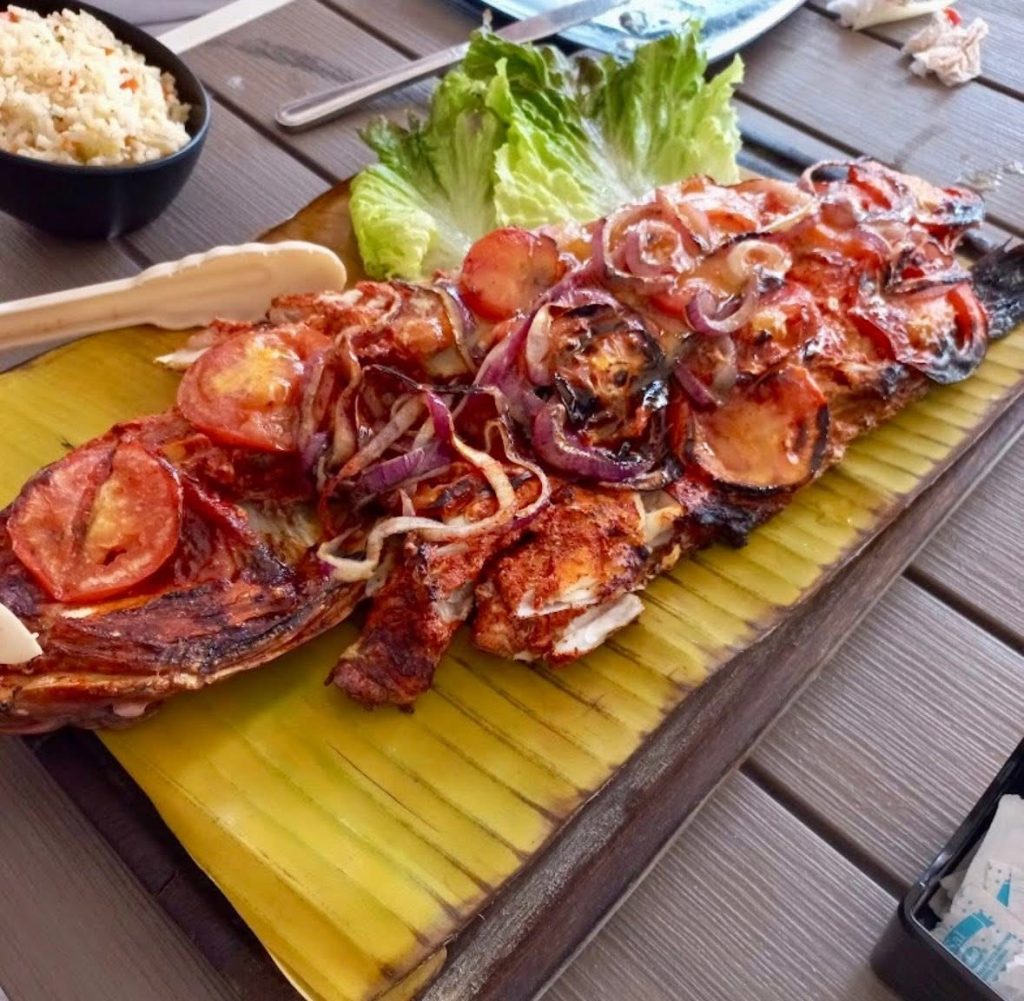
𝘗𝘢𝘳𝘵 𝘰𝘧 𝘵𝘩𝘦 𝘴𝘦𝘳𝘪𝘦𝘴: 𝘌𝘭 𝘊𝘳𝘰𝘯𝘪𝘴𝘵𝘢 𝘺 𝘓𝘢 𝘗𝘦𝘳𝘦𝘨𝘳𝘪𝘯𝘢 — 𝘛𝘩𝘦 𝘏𝘪𝘴𝘵𝘰𝘳𝘪𝘢𝘯 𝘢𝘯𝘥 𝘵𝘩𝘦 𝘗𝘪𝘭𝘨𝘳𝘪𝘮By the time you taste the sea here, it’s already telling you its story. The Island That Fed the Wind The first thing you notice about Isla Mujeres isn’t its color — though the turquoise hums in everydirection — it’s the salt. It clings to your skin, settles in your hair, and sharpens the air you breathe. For centuries, thatsalt wasn’t a souvenir. It was survival. Long before ferries and travelers, the Maya paddled from the coastal pueblo of El Meco,following the rhythm of the tides. They came not to settle, but to harvest — salt from the flats,fish from the reef, and blessings from Ixchel, goddess of the sea, weather, and fertility. IslaMujeres was never a city; it was a sanctuary — a sacred extension of the sea itself. El Meco served as the nearest settlement and trading hub, with a central marketplace largerthan that of Tulum. From here, Isla Mujeres and Contoy were connected by foot and canoe toan expansive network that reached inland to Cobá, Muyil, and Chichén Itzá — and by sea as far south as Panama. Along these watery highways, salt, fish, turtle, and conch traveled like offerings between worlds. Today, boats cross the same channel carrying travelers instead of traders. Yet the island stillfeels like a threshold — suspended between wind, water, and memory. A Sea That Cooked Before Kitchens The Maya didn’t need markets or metal to make flavor. The sea provided everything — mantarays, turtles, manatees, sharks, and fish so abundant they could be caught with woven netsweighted by clay balls, fragments of which were later found during excavations at HaciendaMundaca. They fished from slender canoes, salted the meat, and dried it beneath the sun. Salt wasn’tseasoning — it was survival. From Isla Mujeres and Contoy, the Maya sent salted fish and turtlemeat through El Meco to Chichén Itzá, and by canoe farther south toward Belize andGuatemala. Even now, when you snorkel near El Meco’s reef, you drift through their story — the samecurrents, the same channels, the same shimmering schools of life that once sustained acivilization. El Meco: Where the Trade Winds Begin Across the narrow channel, the ruins of El Meco still guard the sea. Once a thriving port andmarketplace, it was also a ceremonial hub — where faith and commerce met in one tide. Itsmodest pyramid served as a beacon for canoes returning from Isla Mujeres, carrying salt andprayers for abundance.The site’s restoration in 2023 reopened pathways and added interpretive signs that help modern visitors feel the echo of that ancient exchange. As historian Don Fidel Villanueva Madrid notes in his fieldwork, El Meco was not a capital, buta living artery — “a breath between sea and stone.” Stand there in the trade winds, and you can almost hear the voices again: merchants counting bundles, priests offering smoke to the gods, waves carrying news between sanctuaries. Salt: The First Island Currency Before pesos or paper, salt was the island’s true currency. Gathered from Isla Mujeres’sun-bleached flats, it was carried by canoe to El Meco, where it was blessed and bartered. Saltpreserved not just food — it preserved civilization. Some of that salt, traded through the Maya world, reached as far as Panama — and centuries later, shells from Panama were discovered during excavations at Hacienda Mundaca. These shells, prized in pre-Hispanic Panamanian culture, were likely brought as offerings toIxchel, symbols of the deep spiritual and trade connections that once bound Isla Mujeres todistant shores. Fire Without Kitchens Before recipes had names or restaurants lined the shore, there was Tix Nixic — fish rubbedwith salt, painted in achiote, and roasted over leña, charcoal made from dry regional woodsthrough an ancestral process that turned fallen trees into fire. When the Spanish arrived, the dish absorbed new flavors — garlic, citrus, spice — evolving intowhat we now know as Tikin Xic. Yet its soul never changed. Today, that same tradition lives on at Playa Lancheros, La Casa del Tikinxic (formerly Playa Lancheros), where cooks still grill the fish slowly beside the sea, smoke curling into the trade winds. It’s more than a meal — it’s a living connection between past and present, between thefishermen who salted life into existence and those who now preserve it through flavor. Follow Isla Peregrina on Facebook to discover upcoming articles about the best ways to visit El Meco and Isla Contoy from Cancún or Isla Mujeres — and to explore the local stories,families, and traditions that continue to bring these sacred places to life. Follow Fidel Villanueva Madrid’s page for authentic stories, history, and legends of IslaMujeres — directly from the island’s official historian. Just click “See Translation” on his posts to read them in English. Author’s Note This article is part of the bilingual series “El Cronista y La Peregrina — The Historian and thePilgrim,” created in collaboration with Don Fidel Villanueva Madrid, the Cronista Vitalicio(Official Historian) of Isla Mujeres. While the island’s history has been written about before for centuries, this project marks the first time that the voices and memories of Isla Mujeres’ families themselves — fishermen, matriarchs,builders, and dreamers — are being translated and shared in English, directly from local testimonies and archives preserved by Don Fidel. The goal is not only to document history, but to preserve identity, to honor the contributions ofthose who built the island’s character, and to bridge worlds — between past and present,Spanish and English, visitor and islander — fostering the sense of belonging that makes Islaso magical. Through these stories, Isla Peregrina hopes to inspire a deeper understanding of sustainabletourism rooted in cultural respect, reminding all who visit that Isla Mujeres is more than adestination — it is a living legacy of faith, sea, and community.